
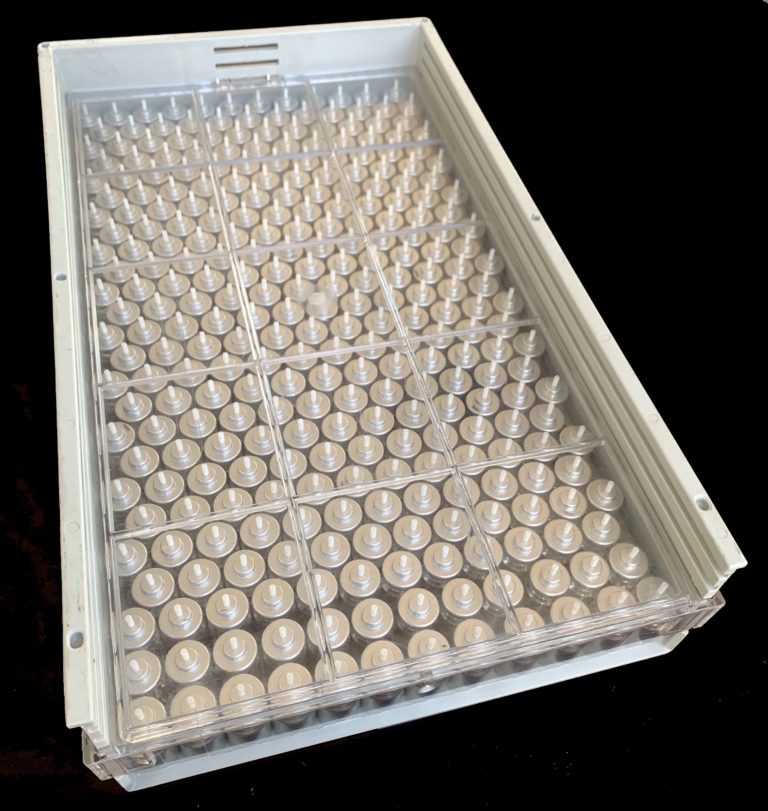
Proper Pharmaceutical Trays for Inhaler Storage
Proper storage of inhalers is a critical aspect of pharmaceutical quality management. Inhalers are sensitive to environmental factors such as temperature, humidity, and light, and improper storage can compromise their efficacy, safety, and shelf life. For pharmaceutical companies, ensuring optimal storage conditions for inhalers is essential for regulatory compliance, patient safety, and minimizing financial losses due to waste or recalls
Why Proper Pharmaceutical Trays for Inhalers Matters
Preserving Drug Efficacy and Safety
- Inhalers, including dry powder inhalers (DPIs) and pressurized metered-dose inhalers (pMDIs), are sensitive to temperature and humidity fluctuations
- Exposure to heat or moisture can degrade the active ingredients, reduce potency, and cause powder clumping in DPIs or loss of propellant in pMDI
- Proper storage ensures that patients receive the correct dose and that the medication remains effective throughout its shelf life
- Regulatory Compliance
- Regulatory bodies require strict adherence to storage guidelines for inhalers, including temperature, humidity, and light exposure
- Non-compliance can result in recalls, legal penalties, and damage to a company’s reputation
- Companies must maintain detailed records of storage conditions and ensure traceability throughout the supply chai
Reducing Waste and Financial Loss
- Improper storage leads to drug degradation and costly waste, especially for high-value inhalers.
- Adhering to best practices minimizes losses from expired or compromised products and reduces the risk of contamination.
Risks of Improper Inhaler Storage
-
-
Preserving Drug Efficacy and Safety
- Inhalers, including dry powder inhalers (DPIs) and pressurized metered-dose inhalers (pMDIs), are sensitive to temperature and humidity fluctuations
- Exposure to heat or moisture can degrade the active ingredients, reduce potency, and cause powder clumping in DPIs or loss of propellant in pMDI
- Proper storage ensures that patients receive the correct dose and that the medication remains effective throughout its shelf life
Regulatory Compliance
- Regulatory bodies require strict adherence to storage guidelines for inhalers, including temperature, humidity, and light exposure
- Non-compliance can result in recalls, legal penalties, and damage to a company’s reputation
- Companies must maintain detailed records of storage conditions and ensure traceability throughout the supply chai
Reducing Waste and Financial Loss
- Improper storage leads to drug degradation and costly waste, especially for high-value inhalers.
- Adhering to best practices minimizes losses from expired or compromised products and reduces the risk of contamination
Environmental and Operational Factors
- Rising global temperatures and increased humidity due to climate change present new challenges for inhaler storage, especially during transport and in facilities without robust climate control.
- Pharmaceutical companies must invest in climate-controlled storage, continuous temperature and humidity monitoring, and automated alert systems to ensure product integrity.
Practical Storage Tips for Inhalers
- Store at Room Temperature: Most inhalers should be kept between 20–25°C (68–77°F), with short excursions allowed between 15–30°C (59–86°F)
- Avoid Humidity: Keep inhalers in a dry place and away from bathrooms or kitchens to prevent moisture exposure
- Protect from Light: Store inhalers in their original packaging or foil overwrap until use to protect from light
- Keep Mouthpiece Covered: Always replace the mouthpiece cover after use to prevent contamination or accidental inhalation of foreign objects
- Monitor Expiry Dates: Discard inhalers after the expiration date or when the dose counter reaches zero, whichever comes first
- Do Not Expose to Heat or Flame: High temperatures can cause pressurized canisters to burst; never store inhalers near heat sources or open flames
- Educate Staff and Patients: Ongoing training is essential to ensure proper handling and storage at every stage, from manufacturing to end-user
Conclusion
Proper pharmaceutical trays for inhalers is essential for maintaining drug efficacy, ensuring patient safety, and achieving regulatory compliance. Pharmaceutical companies must prioritize robust storage solutions, staff training, and continuous monitoring to protect both their products and the patients who rely on them. By adhering to best practices, companies can reduce waste, prevent costly recalls, and reinforce their commitment to quality and patient care.
Check out our product brochure for more information