adiotray.com https://mtdtrays.com Plastic storage trays for Healthcare, Pharmaceutical and Biotech Mon, 03 Nov 2025 18:11:01 +0000 en-US hourly 1 https://wordpress.org/?v=6.8.3 https://mtdtrays.com/wp-content/uploads/2020/07/cropped-MTD-logo-5-25-trans-1-32x32.png adiotray.com https://mtdtrays.com 32 32 Top 10 Tips for Botox Storage: Using Plastic Injection Molded Trays for Vials https://mtdtrays.com/top-10-tips-for-botox-storage-injection-molded-trays-for-vials/ Mon, 03 Nov 2025 17:47:00 +0000 https://mtdtrays.com/?p=2315 Pharmaceutical companies handling Botox must adhere to strict storage guidelines to maintain the potency and safety of this sensitive neurotoxin. Improper storage not only risks degrading the product but also patient safety and regulatory compliance. Using plastic injection molded trays designed for vial storage offers a practical and efficient solution for managing Botox vials in a controlled environment.

The post Top 10 Tips for Botox Storage: Using Plastic Injection Molded Trays for Vials appeared first on adiotray.com.

]]>

Botox Storage

Top 10 Tips for Botox Storage: Using Plastic Injection Molded Trays for Vials

Pharmaceutical companies handling Botox must adhere to strict storage guidelines to maintain the potency and safety of this sensitive neurotoxin. Improper storage not only risks degrading the product but also patient safety and regulatory compliance. Using plastic injection molded trays designed for vial storage offers a practical and efficient solution for managing Botox vials in a controlled environment.

1. Maintain the Correct Temperature Range
Botox vials must be stored consistently between 2°C and 8°C (36°F to 46°F) to preserve their potency. Medical-grade refrigerators calibrated to this temperature range are essential. Avoid domestic refrigerators due to their temperature fluctuations, which can reduce Botox efficacy. Dedicated pharmaceutical trays complement this by organizing vials safely within the fridge, facilitating airflow and temperature stability around each vial.

2. Use Injection Molded Plastic Storage Trays for Organization
Pharmaceutical plastic injection molded trays are ideal for holding Botox vials because they provide sturdy, custom-fitted slots that prevent vials from tipping or rolling. These trays are made of chemically resistant materials like polypropylene or HDPE, ensuring durability and easy sterilization. By using trays designed specifically for pharmaceutical vial storage, companies can improve space utilization, avoid vial damage, and streamline inventory management.

3. Protect Vials from Light Exposure
Light exposure can degrade Botox’s active ingredients. Keep vials stored in their original cartons inside the injection molded trays to shield them from light. The trays themselves should be opaque or stored within light-proof medical refrigerators to minimize photodegradation risks.

4. Prevent Contamination with Proper Tray and Vial Handling
Trays designed for pharmaceutical use should be easy to clean, sterilize, and maintain a contamination-free environment. Regular cleaning protocols for the plastic trays and refrigeration unit help prevent microbial contamination. Always use gloves and sterile conditions when placing or removing vials from trays, especially once Botox is reconstituted.

5. Label Trays and Vials Clearly for Efficient Tracking
Use clear, durable labels on both trays and individual vial slots to indicate batch numbers, expiration dates, and reconstitution status. This labeling helps staff quickly identify and rotate stock, reducing the risk of expired or improperly handled Botox being used. Plastic trays with pre-marked or customizable label slots enhance this organizational efficiency.

6. Use Trays That Fit Standard Pharmaceutical Storage Systems
Injection molded trays should be compatible with the dimensions of pharmaceutical refrigerators, drawers, or storage cabinets commonly used in biotech and medical settings. Standardized tray sizes ensure reliable stacking and secure placement, preventing accidental displacement and spillage of Botox vials.

7. Monitor Refrigerator and Tray Conditions Continuously
Pharmaceutical storage guidelines recommend that refrigerators storing Botox have temperature monitoring systems with alarms for deviations outside the 2°C to 8°C range. Trays facilitate organized physical monitoring, but automated systems notify staff immediately in case of temperature failure, protecting product integrity.

8. Follow Guidelines for Reconstituted Botox Storage in Trays
Once Botox is reconstituted, it should be stored refrigerated between 2°C and 8°C and used within 24 hours. Injection molded trays can be used to hold reconstituted vials securely, clearly labeled with reconstitution date and time to facilitate timely usage and minimize waste.

9. Avoid Exposure to Freezing Temperatures and Heat
Botox should never be frozen, as freezing damages its molecular structure, drastically reducing efficacy. Injection molded trays help insulate the vials slightly and keep them upright, minimizing the risk of exposure to temperature fluctuations within the refrigerator.

10. Choose Spill-Reducing and Vial-Stabilizing Tray Designs
Some pharmaceutical trays for Botox feature spill-reducing properties and vial stabilization mechanisms that prevent accidents during handling or when stored on shelves. These trays improve safety for healthcare staff managing Botox inventories and reduce risks of costly product loss due to spills.

Why Plastic Injection Molded Trays Are the Best Choice for Botox Storage

Plastic injection molded trays are custom-engineered to provide precise, secure slots that conform to vial sizes, preventing movement and breakage. Made from durable polymers like polypropylene, these trays resist chemical damage and are easy to sanitize. Their design enables pharmaceutical companies to optimize fridge space while meeting stringent storage standards.

These trays also improve overall operational efficiency by:

  • Enhancing vial visibility and access through organized compartments
  • Facilitating stock rotation by batch and expiration date
  • Reducing handling errors and contamination risk
  • Simplifying transport within the facility while maintaining vial stability

Pharmaceutical-grade trays specifically tailored for Botox storage offer a scalable solution for clinics, medical spas, and pharmaceutical warehouses adhering to FDA and manufacturer guidelines for botulinum toxin handling.

MTDTrays.com Specializes in Injection-molded Plastic trays for Botox Manufacturers

MTDTrays.com is a key resource for Botox manufacturers seeking proper storage solutions for their Botox vials. MTD Company offers custom-designed pharmaceutical trays that meet strict quality standards for storage, in-process handling, and shipping of sensitive products like vials and inhalers. Their trays are made in the USA from durable, chemically resistant plastics such as polypropylene and polycarbonate, with customizable sizes and features tailored to fit specific vial dimensions and loading requirements.

MTD trays are designed to integrate seamlessly with automatic tray loading and unloading machinery, making them ideal for efficient, scalable operations. Additionally, their trays are stackable, lockable for secure vial transport, and can be branded with company logos for comprehensive packaging solutions. By partnering with MTDTrays.com, Botox manufacturers gain access to high-quality, precision-engineered trays that optimize storage conditions, reduce vial damage risk, improve organization and inventory tracking, and support compliance with pharmaceutical storage standards. This helps to ensure Botox vials maintain their potency and safety from production through delivery and use

Optimize your storage and handling—mtdtrays.com can help with all of your storage needs! Choose plastic injection molded trays for convenient, reliable, and organized storage today!

Learn more about storage options. 

The post Top 10 Tips for Botox Storage: Using Plastic Injection Molded Trays for Vials appeared first on adiotray.com.

]]>
Thermoforming vs. Injection Molding for Packaging Trays: Top 5 Decision‑Making Guide for Selecting Your Tray Process https://mtdtrays.com/thermoforming-vs-injection-molding-for-packaging-tray/ Tue, 21 Oct 2025 18:05:46 +0000 https://mtdtrays.com/?p=2272 In the competitive field of medical device packaging — and especially for sensitive products like inhalers — the choice of manufacturing process for your trays is more than just a cost decision. It impacts precision, durability, material performance, reproducibility, and ultimately regulatory compliance. In this article, we’ll compare two major plastic‑part manufacturing processes — thermoforming vs. injection molding — and highlight why injection molding often comes out ahead when you’re designing trays for inhalers or other medical devices.

The post Thermoforming vs. Injection Molding for Packaging Trays: Top 5 Decision‑Making Guide for Selecting Your Tray Process appeared first on adiotray.com.

]]>

precision injection molding medical.

Thermoforming vs. Injection Molding for Packaging Trays: Top 5 Decision‑Making Guide for Selecting Your Tray Process

In the competitive field of medical device packaging — and especially for sensitive products like inhalers — the choice of manufacturing process for your trays is more than just a cost decision. It impacts precision, durability, material performance, reproducibility, and ultimately regulatory compliance. In this article, we’ll compare two major plastic‑part manufacturing processes — thermoforming vs. injection molding — and highlight why injection molding often comes out ahead when you’re designing trays for inhalers or other medical devices.

What Are Thermoforming and Injection Molding?

  • Thermoforming
    In thermoforming, a sheet of plastic is heated until pliable and then shaped over or into a mould (via vacuum, pressure, or a combination). After cooling, the part is trimmed and finished. Thermoforming tooling tends to be simpler (often a single‑sided mould), and the process is well suited for large, shallow or simple geometry parts.
  • Injection Molding
    With injection molding, plastic pellets are melted and injected at high pressure into a two‑sided mould cavity where they cool, solidify, and are then ejected. This process allows for precise, repeatable geometry and is ideal for high‑volume manufacturing.

Key Differences: Tooling, Tolerances, Volume & Cost

Here’s how the two processes compare in a packaging/tray context:

Tooling & Lead Time

  • Thermoforming: Lower tooling cost and simpler moulds (commonly aluminium). Lead times are typically shorter.
  • Injection molding: Higher upfront tooling cost (steel or hardened alloys, dual‑sided) and longer lead times, but built for repeat use at volume.

Precision & Part Quality

  • Thermoforming: Generally offers looser tolerances due to sheet stretching and may lead to variable wall thickness.
  • Injection molding: Achieves very tight tolerances, consistent wall thickness, supports complex geometry and detailed features (undercuts, ribs, inserts) — especially useful for medical trays.

Why Injection Molded Trays Often Win for Inhaler & Medical Device Storage

1. Tight Fit, Secure Holding & Dimensional Accuracy

Inhalers and related devices (spacers, caps, sensors) require secure positioning in trays to avoid damage, sticking or movement during transport/storage. Injection molding allows for very tight tolerances and consistent cavity geometry, so each tray ensures the same secure fit. In contrast, thermoformed trays may show variable wall thickness or dimensional drift, which can compromise fit.

2. Complex Geometry & Functional Features

Storage trays often need features beyond a simple cavity: for example rails or alignment locators, stacking features, lids, hinged elements, or built‑in compartmentalization for multi‑component inhaler kits. Injection molding supports such complexity more readily than thermoforming, which is better for simpler shallow shapes.

3. Material Performance & Customization

Medical device packaging often demands materials that are biocompatible, autoclavable or sterilizable, resistant to chemicals, or with barrier properties. Injection molding supports a broader range of engineering thermoplastics, reinforced materials, inserts or overmolds. For inhaler storage trays where hygiene, sterility and durability matter, this flexibility is a major asset. (vantageplastics.com)

4. High‑Volume Consistency & Supply Chain Reliability

Pharmacies, hospitals and device manufacturers require consistent tray quality, often in large quantities, with predictable cost and reliable supply. Injection molding’s scalability and reproducibility mean each tray meets specs and can be produced in large batches with minimal variation — an essential attribute in regulated environments.

5. Long‑Term Cost Efficiency

Although the mould cost is higher for injection molding, when trays are needed in large numbers, the cost per unit drops and often becomes lower than thermoformed alternatives. For a company packaging inhalers at scale, this means long‑term cost advantages. As one source notes: once annual production exceeds large volume thresholds, injection molding becomes more advantageous. (SEAWIN INDUSTRIAL LIMITED)

6. Durability, Reuse & Traceability

In certain inhaler‑storage workflows (e.g., hospital medication trays, transport bins for devices), trays may need to be reused, stacked, sterilised or logged. Injection‑molded trays tend to offer more robust structure, consistent performance over repeated cycles, and integration with identification features (like molded part numbers, RFID slots) more easily than thermoformed trays.

Decision‑Making Guide for Selecting Your Tray Process

Here’s a practical checklist MTD Trays recommends when helping clients decide between thermoforming vs. injection molding for inhaler storage trays:

1) Annual Volume

  • Under ~5,000 units: thermoforming might be cost‑effective.
  • Over ~10,000–100,000 units: injection molding likely offers better economics.

2) Geometry & Feature Complexity

  • Simple, shallow shapes → thermoforming.
  • Detailed internal cavities, ribs, undercuts, stack features, lids, inserts, multi‑component storage → injection molding.

3) Tolerance & Fit Requirements

  • Tight fit, repeatability, minimal variation → injection molding.
  • If tolerance is looser and fit less critical → thermoforming.

4) Material Requirements & Reusability

  • Need for engineering materials, reuse, multiple lifecycles → injection molding.
  • If single‑use, simple material, minimal reuse → thermoforming may suffice.

5) Tooling Budget & Lead Time

  • Lower budget, faster turnaround, short lifecycle → consider thermoforming.
  • Longer lead time acceptable and budget available for tooling → injection molding.

Why MTD Trays Focuses on Injection Molded Solutions?

At MTD Trays, our core competence lies in designing injection‑moulded container trays tailored for medical device and pharmaceutical applications such as inhaler storage. Our clients benefit from:

  • Precision molding with tight tolerances to securely hold inhaler devices.
  • Customized designs with features such as identification slots, stackable, and multi‑component cavities.
  • Materials selected for medical compliance, durability and reuse where required.
  • Scalable production for high volumes, enabling cost efficiency over the lifecycle of the product.
  • End‑to‑end support: from initial design consultation, through tooling, validation and delivery.

By choosing injection molded trays from MTD Trays, device manufacturers and packaging engineers optimize for quality, reliability and long‑term cost performance.

Optimize your storage and handling—mtdtrays.com can help with all of your storage needs! Choose plastic injection molded trays for convenient, reliable, and organized storage today!

Learn more about storage options. 

The post Thermoforming vs. Injection Molding for Packaging Trays: Top 5 Decision‑Making Guide for Selecting Your Tray Process appeared first on adiotray.com.

]]>
Trays for Inhalers: Essential Storage Solutions for Pharmaceutical Manufacturers https://mtdtrays.com/trays-for-inhalers-solutions-for-pharma-manufacturers/ Tue, 07 Oct 2025 17:38:37 +0000 https://mtdtrays.com/?p=2171 Inhalers are among the most commonly prescribed medication delivery devices in the world, providing relief and long-term management for conditions such as asthma, COPD, and other respiratory diseases. Yet for pharmaceutical manufacturers, the journey from production line to patient involves more than just creating the inhaler itself—it requires safe, efficient, and cost-effective handling throughout manufacturing, packaging, shipping, and storage.

The post Trays for Inhalers: Essential Storage Solutions for Pharmaceutical Manufacturers appeared first on adiotray.com.

]]>

inhaler trays

Trays for Inhalers: Essential Storage Solutions for Pharmaceutical Manufacturers

Inhalers are among the most commonly prescribed medication delivery devices in the world, providing relief and long-term management for conditions such as asthma, COPD, and other respiratory diseases. Yet for pharmaceutical manufacturers, the journey from production line to patient involves more than just creating the inhaler itself—it requires safe, efficient, and cost-effective handling throughout manufacturing, packaging, shipping, and storage.

One critical yet overlooked aspect in this process is the use of trays for inhalers—specialized packaging solutions designed to hold, secure, and protect inhalers during assembly and distribution. Integrating purpose-built inhaler storage trays into the production workflow can yield significant benefits in efficiency, safety, and cost savings.

This blog explores why inhaler trays are vital, the different types available, and how manufacturers can choose the right solution for their operations.

Why Inhaler Storage Trays Matter?
Inhalers are precise medical devices, often containing delicate mechanical components, pressurized canisters, and dosage counters. Damage during production or transport can lead to costly waste and potential compliance violations. Inhaler storage trays address three core needs:

  • Device Protection: Prevent scratching, deformation, or misalignment of moving parts.
  • Production Efficiency: Keep inhalers aligned, organized, and ready for automated or manual filling and packaging.
  • Inventory Organization: Make tracking and handling batches easier within production lines or warehouse environments.

Without proper trays for inhalers, manufacturers risk batch contamination, missed regulatory requirements, and increased production downtime.

Key Benefits of Purpose-Built Trays for Inhalers

Investing in custom or stock inhaler trays offers measurable benefits:

Reduced Damage and Waste
Specialty trays hold each inhaler securely, minimizing jostling during transport. This helps prevent defects and inconsistencies.

  • Improved Line Efficiency
    Trays are often designed to fit automated assembly and packaging equipment, streamlining transfer between manufacturing stages.
  • Compliance and Quality Assurance
    Pharmaceutical standards for cleanroom operations and package handling require secure containment. Trays support these hygiene and safety standards.
  • Ergonomic Handling
    By providing uniform spacing and alignment, inhaler trays make it easier for workers to load, unload, and inspect devices.
  • Space Optimization
    Well-designed trays maximize storage density in warehouses or distribution hubs without sacrificing device safety.

Types of Inhaler Storage Trays
Manufacturers can select from a range of trays depending on production scale, inhaler type, and operational workflow. Common tray types include:

  • Thermoformed Plastic Trays
    Made from lightweight yet sturdy plastics such as PET, PVC, or PETG. These trays are cost-effective, customizable, and suitable for high-volume runs.
  • Reusable Rigid Trays
    Often molded from durable polypropylene or ABS, these trays withstand repeated use in manufacturing environments, reducing long-term costs.
  • Custom-Molded Trays
    Designed specifically for a manufacturer’s inhaler dimensions, ensuring a perfect fit for unique device shapes. Ideal for specialized inhaler designs with complex geometry.
  • Cleanroom-Compatible Trays
    Produced in ISO-certified facilities with anti-static and contamination-resistant materials. Essential for pharmaceutical companies operating in highly controlled environments.

Designing Effective Trays for Inhalers
To select or design the right inhaler storage tray, manufacturers should consider:

  • Exact Device Dimensions and Shape
    Molding or forming must match inhaler contours for proper stabilization.
  • Material Specifications
    Different plastics offer varying levels of durability, cleanliness, and temperature tolerance.
  • Regulatory Standards
    Ensure trays meet FDA, GMP, and ISO 14644 cleanroom requirements for medical device handling.
  • Integration with Automation
    Tray design should facilitate compatibility with robotic arms, conveyor belts, and inspection units.
  • Stackability and Nesting
    Space-saving designs ensure trays can be stacked securely without damaging the inhalers inside.

How Trays Support the Pharmaceutical Supply Chain
Beyond production floors, inhaler trays play a vital role in logistics and distribution:

  • Cold Chain Support
    Some medications require temperature-controlled environments. Trays help maintain organized storage even under chilled conditions.
  • Bulk Order Handling
    When supplying large hospital networks or pharmacies, trays make it easier to count and verify shipments.
  • Patient Kit Assembly
    Sometimes inhalers are bundled with instructions, spacers, or other accessories. Trays streamline this assembly process.

Sustainability in Inhaler Tray Manufacturing
Environmental considerations are increasingly shaping decisions in pharmaceutical packaging. Manufacturers can opt for:

  • Recyclable Materials like PET and HDPE to reduce environmental impact.
  • Reusable Systems that minimize single-use waste by circulating trays within closed-loop manufacturing lines.
  • Lightweight Designs that cut down on shipping costs and carbon footprint.

Choosing the Right Partner for Inhaler Storage Trays
Selecting a supplier capable of delivering trays tailored for inhalers is crucial. Factors to look for include:

  • Experience producing medical-grade packaging solutions.
  • Ability to meet rapid production timelines without compromising quality.
  • Flexibility to create custom tooling for proprietary inhaler designs.
  • Competitive pricing models to support long-term cost savings.

How MTD Company Can Help Manufacturers Save Money

MTD Company specializes in designing and manufacturing trays for inhalers and other pharmaceutical packaging needs. Their offerings give manufacturers:

  • Cost Savings through durable, reusable tray solutions that reduce waste and defects.
  • Customization to ensure trays fit specific inhaler models and production line requirements.
  • Compliance with stringent medical packaging regulations, ensuring consistency and safety.
  • Efficiency in handling, storage, and distribution, helping streamline the entire supply chain.

By working with MTD Company, inhaler manufacturers can secure reliable inhaler storage trays that protect devices, improve workflow, and cut operational costs—a smart investment for any pharmaceutical operation.

Optimize your storage and handling—mtdtrays.com can help with all of your storage needs! Choose plastic injection molded trays for convenient, reliable, and organized storage today!

Learn more about storage options. 

The post Trays for Inhalers: Essential Storage Solutions for Pharmaceutical Manufacturers appeared first on adiotray.com.

]]>
Unbreakable Vial Storage: Secure, Autoclave-Ready, and Safe Vial Transport Solutions https://mtdtrays.com/unbreakable-vial-storage-secure-safe-solutions/ Tue, 23 Sep 2025 16:40:09 +0000 https://mtdtrays.com/?p=2085 Discover how premium vial trays provide reliable vial storage and secure vial transport across pharmaceutical and laboratory settings. Learn why autoclave compatibility, precise design, and robust materials matter for protecting your valuable vials during sterilization, handling, and shipment.

The post Unbreakable Vial Storage: Secure, Autoclave-Ready, and Safe Vial Transport Solutions appeared first on adiotray.com.

]]>

Storage for Inhalers

Unbreakable Protection: The Essential Guide to Vial Trays for Secure Vial Storage, Autoclave Compatibility, and Safe Vial Transport

When it comes to handling pharmaceutical, clinical, or laboratory vials, nothing is more critical than security, stability, and sterility. Every vial—whether glass or plastic—holds sensitive, high-value, and often life-saving substances. That means your choice in vial trays must ensure that these delicate containers remain intact through every step: filling, sterilization, storage, and transport.

In today’s post, we’ll break down the most important elements that make a vial tray truly reliable for vial storage, autoclave processes, and vial transport. If you work in pharmaceuticals, biotech, or laboratory logistics, understanding these features helps you ensure compliance, minimize product loss, and protect end-users.

Why Vial Trays Matter?

At first glance, a vial tray may appear to be a simple piece of molded plastic. In reality, it’s a precision-engineered packaging solution designed to safeguard vials in highly regulated environments. An effective tray prevents vials from:

  • Shifting or colliding during transport
  • Cracking under applied weight or pressure
  • Becoming misaligned during automated filling or capping processes
  • Failing sterility during autoclave sterilization
  • Compromising integrity during long-term storage

When a tray lacks the right design features for vial storage and transport, risks can include contamination, shattered glass, or regulatory non-compliance—issues no pharmaceutical organization can afford.

Core Elements of High-Quality Vial Trays

Material Selection
The foundation of any vial tray lies in the materials used to make it. The chosen resin must balance strength, chemical resistance, and heat stability while being suitable for cleanroom conditions.

  • Polypropylene (PP): Widely used for its durability, impact resistance, and compatibility with autoclave sterilization up to 121°C.
  • Polyethylene Terephthalate Glycol (PETG): Excellent transparency for visual inspection and strong chemical resistance, though less heat-tolerant for autoclaves.
  • Polystyrene (PS): Provides clarity and rigidity, but often limited to cold-chain vial storage rather than sterilization.
  • Conductive or ESD materials: Sometimes used when vials with sensitive formulations require protection from electrostatic discharge.

The right material choice depends on whether trays will undergo autoclaving, cold storage, or long-distance vial transport.

Sterilization Compatibility
For any pharmaceutical workflow, maintaining sterility is non-negotiable. That’s why tray designs must align with existing autoclave cycles or gamma irradiation methods.

  • Autoclave-compatible trays are engineered to resist warping at high heat and high-pressure steam. Proper venting features in the design allow steam penetration without trapping moisture.
  • Gamma-sterilizable trays require materials that don’t degrade or become brittle under radiation exposure.

If a vial tray isn’t tested for sterilization cycles, it could deform, compromise vial alignment, or cause vial caps to loosen—leading to failed sterility validation.

Structural Integrity and Support
Vials are fragile, and once filled, their total weight increases substantially. The tray must be engineered to evenly distribute weight and resist deformation.

Key support considerations include:

  • Base rigidity: Prevents flexing under load during stacking or on automated conveyors.
  • Individual vial cavities: Securely hold each vial in a snug fit, minimizing lateral motion during transport.
  • Impact resistance: Protects against drops or vibration exposure during shipping.

A properly engineered tray ensures that even under stress, glass vials don’t collide or fracture.

Secure Vial Positioning
One of the most overlooked yet critical aspects of vial tray design is consistent vial positioning. Misalignment can disrupt automated filling, capping, or inspection systems, lowering efficiency and increasing waste.

Features supporting secure vial positioning include:

  • Precision-formed cavities to prevent wobbling.
  • Uniform spacing to support robotic handling in manufacturing lines.
  • Stackable designs to maintain vial alignment across multiple layers during vial storage and transport.

Trays that maintain strict tolerances help manufacturers improve throughput and reduce costly line stoppages.

Compatibility with Automation
Modern pharmaceutical facilities depend heavily on automated systems for throughput and sterility assurance. That means vial trays must be designed for seamless integration with robotics and automated filling equipment.

Ideal features include:

  • Flat, even edges for gripping arms.
  • Standardized footprints for smooth transitions between tray types.
  • Index points or markers for machine recognition and positioning.

By making vial trays automation-friendly, organizations reduce downtime, improve handling accuracy, and speed up vial transport operations.

Stackability and Nesting Efficiency
Whether in storage rooms, cleanrooms, or freight containers, space efficiency directly impacts cost. Trays should be engineered for optimal stacking and nesting without compromising vial stability.

Advantages include:

  • Reduced warehouse footprint during long-term vial storage
  • Safe shipment stacking without crushing bottom layers during transport
  • Improved autoclave capacity by fitting more trays into sterilization chambers

A stackable, modular vial tray system ensures facilities can safely maximize existing storage and shipping resources.

Chemical and Moisture Resistance
During long-term storage and shipping, vials may encounter condensation, disinfectant exposure, or ambient chemical vapors. A high-quality tray should resist all these to avoid degradation.

Hydrophobic materials prevent water absorption and warping.

  • Chemical-resistant resins defend against ethanol, isopropyl alcohol, and other cleaning agents.
  • Low-particulate shedding surfaces reduce contamination risks in aseptic environments.

This ensures vial transport and storage remain sterile and compliant with GMP standards.

Thermal Stability
Beyond sterilization, vial trays are sometimes exposed to temperature fluctuations during cold chain storage and vial transport. A durable tray must resist cracking in freezing environments and avoid softening when exposed to elevated temperatures.

Integrated temperature tolerance ensures vials remain undisturbed across varying conditions, from cryogenic freezers to hot loading docks.

Regulatory and GMP Compliance
Pharmaceutical packaging components, including vial trays, must meet strict Good Manufacturing Practice (GMP) and regulatory standards. These requirements often include:

  • ISO Class compatibility for cleanroom use
  • Biocompatibility standards (such as USP <661> for plastics)
  • Traceable manufacturing processes for validation audits

Choosing compliant vial trays protects organizations from costly recalls and failed regulatory audits.

Benefits of Optimized Vial Trays for Storage and Transport

When all these design elements come together, organizations experience significant benefits:

  • Reduced breakage rates during shipping and handling
  • Improved sterility assurance post-autoclave cycle
  • Lower operational costs from fewer rejected vials
  • Streamlined automation compatibility for faster production
  • Space savings during vial storage and bulk transport
  • Regulatory peace of mind through compliant material and design standards

In an industry where even one broken vial can mean wasted medicine, financial loss, or compromised patient health, the right tray delivers measurable ROI. Read more about the benefits of plastic trays for vial storage here.

As pharmaceutical operations evolve, so too does the design of vial trays. Future-forward trends include:

  • Recyclable and eco-friendly materials: Balancing sustainability with sterility assurance.
  • RFID-enabled vial trays: For real-time vial tracking during storage and global vial transport.
  • Advanced polymer blends: With enhanced autoclave resistance and impact resistance.
  • Customizable modular designs: For multi-size vial compatibility within the same tray system.

These advancements will push vial trays beyond being a passive storage accessory—turning them into a strategic component of pharmaceutical logistics.

Conclusion

Choosing the right vial trays is more than just a packaging decision—it’s a safeguard for sterility, safety, and supply chain efficiency. The best trays combine autoclave compatibility, structural integrity, vial alignment, and automation readiness to ensure that every vial reaches its destination intact.

Whether you’re scaling a cleanroom production line or managing vial storage and transport across continents, investing in high-quality vial trays protects both your bottom line and patient outcomes.

If your organization depends on the secure storage and transport of sensitive vials, make tray selection a top priority. It may seem like a small detail, but in pharmaceuticals, small details save lives.

Optimize your storage and handling—mtdtrays.com can help with all of your storage needs! Choose plastic injection molded trays for convenient, reliable, and organized storage today!

Learn more about storage options. 

The post Unbreakable Vial Storage: Secure, Autoclave-Ready, and Safe Vial Transport Solutions appeared first on adiotray.com.

]]>
Key Procurement Challenges in Pharmaceutical Packaging in 2025 https://mtdtrays.com/key-procurement-challenges-in-pharmaceutical-packaging-in-2025/ Wed, 17 Sep 2025 20:25:03 +0000 https://mtdtrays.com/?p=2048 Injection molded trays have emerged as a game-changing solution for cannabis storage, shipping, and handling. Their rise isn't just about aesthetics—these plastic trays deliver concrete benefits for cultivators, processors, distributors, and consumers seeking maximum freshness, security, and efficiency for cannabis products.

The post Key Procurement Challenges in Pharmaceutical Packaging in 2025 appeared first on adiotray.com.

]]>
Storage for Inhalers

Key Procurement Challenges in Pharmaceutical Packaging in 2025

In 2025, pharmaceutical packaging procurement is navigating a landscape of unprecedented complexity and pressure. For procurement professionals responsible for sourcing critical components like vial containers and other pharmaceutical packaging materials, success depends on managing multiple evolving challenges: supplier risk, cost volatility, and stringent regulatory compliance. These challenges are reshaping traditional procurement practices and demanding new, technology-enabled strategies to ensure supply chain resilience, cost efficiency, and regulatory alignment. This blog explores these critical issues and provides insights into how procurement teams can adapt to excel in this demanding environment.

Supplier Risk and Supply Chain Resilience

One of the most urgent challenges pharmaceutical packaging procurement faces in 2025 is supplier risk management. Many companies historically relied heavily on a small number of trusted suppliers for vial containers and other pharmaceutical packaging components. However, recent disruptions—including quality control failures, regulatory non-compliance, geopolitical instability, and natural events—have exposed vulnerabilities in these concentrated supply chains.

Procurement teams now recognize the critical need to diversify their supplier base significantly. Leading pharmaceutical firms are proactively expanding their alternatives by adding 30 to 50 percent more qualified suppliers per strategic category, including tier-2 and tier-3 suppliers. This expanded supplier mapping helps mitigate risks like sudden production stoppages or quality recalls that can imperil medication availability.

However, managing a larger supplier ecosystem requires faster, more effective supplier discovery and qualification processes. Automated onboarding platforms, AI-driven supplier vetting systems, and expert validation mechanisms are becoming essential tools procurement teams use to ensure suppliers meet strict quality and compliance requirements promptly.

Moreover, supplier collaboration is moving beyond transactional relationships toward strategic partnerships. By working closely with multiple suppliers during packaging component design and manufacturing phases—including vial container innovation—procurement teams can better anticipate risk factors and develop contingency plans. This supplier resilience approach is vital for sustaining uninterrupted pharmaceutical packaging supply chains in an increasingly uncertain global environment.

Navigating Cost Volatility

Cost volatility presents a second major challenge for pharmaceutical packaging procurement in 2025. Prices of raw materials such as plastics, resins, and specialty polymers used in vial containers and pharmaceutical packaging fluctuate unpredictably due to factors including energy prices, trade tariffs, transportation disruptions, and shifts in geopolitical landscapes.

Procurement contracts negotiated before 2023 are frequently up for renewal and subject to substantial cost increases. These fluctuating costs have a direct impact on the overall cost structure of drug manufacturing and distribution.

To counter this volatility, procurement teams are investing heavily in real-time market intelligence and advanced analytics. Tools that provide continuous pricing updates, regional cost benchmarking, and demand surge detection enable procurement to respond quickly with informed negotiation strategies.

Value-based procurement models are gaining popularity over lowest-cost bids. By assessing lifecycle costs—including supplier reliability, quality, and compliance risk—and focusing on total value rather than just price, procurement organizations can secure more predictable costs over the long term despite market turbulence.

Strategic contract clauses around cost escalation, inflation protections, and risk-sharing have become standard to balance flexibility and accountability. Long-term supplier partnerships are leveraged to co-innovate cost-efficient packaging solutions, including vial containers engineered for reduced material usage without compromising safety.

Meeting Stringent Compliance Pressures

Pharmaceutical packaging sits at the critical intersection of drug safety, patient protection, and regulatory oversight. Procurement teams managing vial container and pharmaceutical packaging suppliers face growing pressures to comply with evolving international regulatory standards. Failure to meet compliance requirements can lead to costly recalls, supply stoppages, and serious reputational damage.

Regulatory agencies worldwide are intensifying scrutiny on pharmaceutical packaging materials to ensure drug stability, prevent contamination, and thwart counterfeiting. For example, serialization and track-and-trace mandates require procurement to source materials compatible with unique identifiers and secure printing technologies.

Sustainability regulations add another layer of complexity. Procurement must balance efforts to reduce environmental impact of packaging—such as by adopting recyclable or bio-based plastics for vial containers—while ensuring these materials meet safety and stability standards demanded by bodies like the FDA and EMA. Any change in packaging material requires rigorous validation to confirm no negative impact on drug quality or shelf life.

Procurement professionals consequently need deep expertise in both regulatory requirements and packaging science. They work closely with quality assurance and compliance teams to vet suppliers rigorously and conduct thorough audits. Supplier contracts often include detailed compliance obligations and require transparency around sourcing and manufacturing processes to support regulatory audits.

Digital tools that centralize compliance documentation, track supplier certifications, and facilitate faster reporting have become critical. Many pharmaceutical companies are embracing e-procurement platforms that integrate compliance workflows to streamline approval processes and ensure audit readiness.

In this challenging environment, partnering with a reliable, expert supplier like mtdtrays.com can be a game changer for procurement decision makers. Specializing in durable, high-precision plastic storage trays for vial containers and inhalers, mtdtrays.com provides custom and standard packaging solutions designed to meet the rigorous demands of pharmaceutical manufacturers.

Their deep industry knowledge and rigorous quality control protocols help procurement teams reduce supplier risk, ensuring consistently compliant materials that support drug safety and regulatory adherence. Additionally, mtdtrays.com combines flexibility in order volumes, competitive pricing, and transparent communication to mitigate cost volatility challenges.

Procurement teams benefit from mtdtrays.com’s ability to collaborate early on packaging design and engineering phases, aligning with sustainability goals while maintaining product integrity. Their supply chain resilience, including multi-source capabilities and rapid responsiveness, helps pharmaceutical companies navigate market uncertainty with confidence.

By choosing mtdtrays.com as a strategic packaging partner, procurement professionals gain not just a supplier but a trusted advisor committed to optimizing pharmaceutical packaging supply chains through innovation, quality, and service excellence.

The Intersection of These Challenges

The interplay between supplier risk, cost volatility, and compliance pressures complicates procurement decisions significantly. For instance, expanding supplier diversity enhances resilience but requires increased compliance oversight and potentially higher short-term costs. Similarly, selecting sustainable packaging materials addresses regulatory mandates but may increase costs or constrain supplier options.

Successful procurement teams in 2025 approach these challenges holistically. They prioritize supplier collaboration, data-driven decision-making, and agile contract management. By leveraging AI-enabled sourcing platforms, comprehensive risk monitoring tools, and continuous cost intelligence, procurement can maintain robust pharmaceutical packaging supply chains that keep vial containers and other critical components flowing without interruption.

Conclusion

In 2025, pharmaceutical packaging procurement teams confront a rapidly shifting landscape dominated by supplier risk, cost volatility, and compliance rigor. Managing these intertwined challenges requires innovation, collaboration, and technology adoption to build resilient, cost-effective, and compliant packaging supply chains.

Those teams able to strategically diversify suppliers, use real-time market insights to counteract cost swings, and enforce strict compliance will provide their companies with a vital competitive advantage—ensuring the secure delivery of safe, effective medications to patients worldwide.

For procurement decision makers evaluating vial container and pharmaceutical packaging suppliers, understanding these challenges and implementing forward-looking sourcing strategies is essential to success in today’s complex market. Partnering with mtdtrays.com offers an opportunity to navigate these challenges with a dependable, experienced supplier focused on quality, innovation, and partnership.

Optimize your storage and handling—mtdtrays.com can help with all of your storage needs! Choose plastic injection molded trays for convenient, reliable, and organized storage today!

Learn more about storage options. 

The post Key Procurement Challenges in Pharmaceutical Packaging in 2025 appeared first on adiotray.com.

]]>
Why Injection Molded Trays Are Revolutionizing Cannabis Storage, Shipping & Handling https://mtdtrays.com/the-top-10-biggest-pharmaceutical-companies-in-the-us/ Wed, 03 Sep 2025 17:30:21 +0000 https://mtdtrays.com/?p=1952 Injection molded trays have emerged as a game-changing solution for cannabis storage, shipping, and handling. Their rise isn't just about aesthetics—these plastic trays deliver concrete benefits for cultivators, processors, distributors, and consumers seeking maximum freshness, security, and efficiency for cannabis products.

The post Why Injection Molded Trays Are Revolutionizing Cannabis Storage, Shipping & Handling appeared first on adiotray.com.

]]>
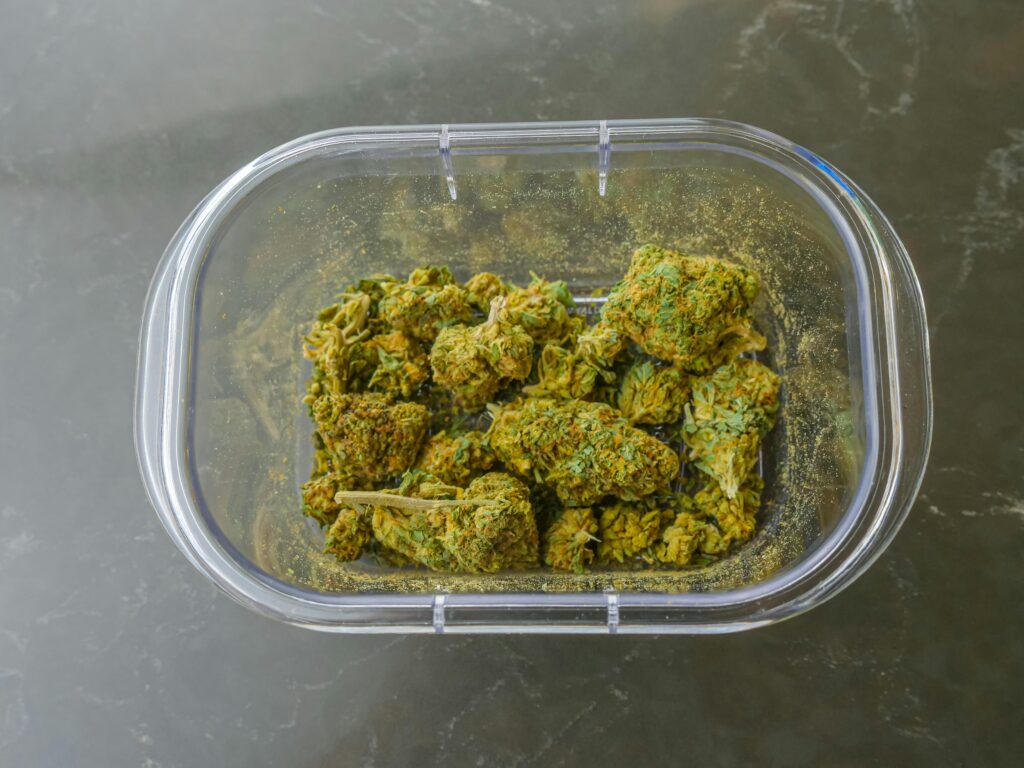
Cannabis Storage and handling

Why Injection Molded Trays Are Revolutionizing Cannabis Storage, Shipping & Handling

Optimal Cannabis Storage

Proper cannabis storage is essential for preserving potency, aroma, flavor, and freshness over time. Failing to store cannabis correctly can result in dried-out buds, loss of terpenes, and compromised product quality. Injection molded trays are specifically engineered to combat these threats. Their airtight seals, often created using bi-injection molded lids with integrated gaskets, prevent unwanted air exposure, locking in ideal humidity levels and guarding against both moisture loss and excess dampness. Because cannabinoids and terpenes degrade with exposure to oxygen and UV light, these trays are vital for product integrity. Whether storing cannabis flower or infused edibles, injection molded plastic trays offer a controlled micro-environment to ensure every batch remains at its peak.

Durability and Hygiene for Cannabis Handling

Cannabis producers routinely handle heavy loads and must comply with stringent hygiene standards. Injection molded trays are made of food-grade plastics and often reinforced with glass fibers or other composites. This means they won’t warp, rust, or corrode—even under demanding conditions. These plastic trays are safe for use with autoclaves, gamma sterilization, and other cleaning protocols required for sanitary cannabis handling. The trays’ robustness permits repeated stacking and re-use over years, making them far more sustainable (and cost-effective) than disposable packaging alternatives.

Efficient Cannabis Shipping and Transport

Transporting cannabis from grow facility to dispensary introduces risks: vibration, temperature fluctuations, and accidental impacts can all reduce product quality. Injection molded trays provide solid, shock-resistant containment. Nest-and-stack designs save space on shipping pallets and in storage rooms, allowing for more product per shipment without compression or damage. Some brands tailor trays with custom compartment sizes, holes, or slots that secure delicate buds, pre-rolls, or concentrates in place, reducing spillage or bruising during transit. The result—fewer losses, faster logistics, and higher customer satisfaction.

Cannabis packaging is subject to regulations that require protection against children and assurance of safe product access for adults. Modern injection molded trays and containers can integrate certified child-resistant closures, designed to comply with ISO and CFR safety standards. These features balance legal mandates with user convenience, adding a layer of trust for both retailers and end consumers.

Terpene and Potency Preservation

Preserving the aromatic and medicinal properties of cannabis—its terpenes and cannabinoids—is critical for consumers. The secure seal provided by injection molded lids helps maintain optimal humidity and temperature, preventing premature terpene evaporation and cannabinoid degradation. For enthusiasts and medical patients, this means more potent, flavorful, and reliable cannabis experiences.

Brand Impact and Customization

Injection molding allows for endless customization, from branded logos and labels to compartment arrangements for multi-product kits. Some manufacturers offer pre-labeling options and branding support to make trays shelf-ready and instantly recognizable. Unique colors, sizes, and design enhancements can be programmed into the mold, letting cannabis brands distinguish their packaging in a crowded market and reinforcing quality perceptions.

Environmental Sustainability

Sustainability is increasingly important in the cannabis industry. Many injection molded trays are designed for single-stream recycling, made from recycled or recyclable plastics, and generate minimal production waste. Their reusability slashes the volume of disposable packaging waste, supporting eco-friendly operations and responsible market messaging.

Final Thoughts

Choosing injection molded trays for cannabis storage, shipping, and handling isn’t just a technical upgrade—it’s a strategic move that multiplies operational benefits across efficiency, preservation, compliance, branding, and sustainability. The advanced engineering behind these plastic trays ensures every bud, edible, or concentrate makes it through the supply chain in pristine condition, ready for consumers who demand reliability and top-tier quality.

For growers, processors, retailers, and even medical users, investing in durable and functional injection molded trays is an investment in better cannabis—from cultivation to consumption. As legal markets expand and standards rise, plastic trays will remain a cornerstone of professional cannabis packaging and logistics.

Optimize your storage and handling—MTDtrays.com can help with all of your storage needs! Choose plastic injection molded trays for convenient, reliable, and organized storage today!

Learn more about storage options. 

The post Why Injection Molded Trays Are Revolutionizing Cannabis Storage, Shipping & Handling appeared first on adiotray.com.

]]>
The Top 10 Biggest Pharmaceutical Companies in the US https://mtdtrays.com/top-10-tips-for-proper-cannabis-storage-and-growth/ Thu, 28 Aug 2025 16:48:12 +0000 https://mtdtrays.com/?p=1879 The US remains a powerhouse in the global pharmaceutical sector, with the biggest Pharmaceutical companies driving medical progress and massive revenues. This 2025 ranking covers the giants whose innovations, investments, and market performance make them dominant players in healthcare.

The post The Top 10 Biggest Pharmaceutical Companies in the US appeared first on adiotray.com.

]]>

top 10 pharmaceutical logos

The Top 10 Biggest Pharmaceutical Companies in the US

1. Pfizer

Pfizer reigns at the top among the biggest Pharmaceutical companies in the US, with an annual 2023 revenue of $58.5 billion. Pfizer specializes in vaccines, oncology, immunology, and cardiology. Despite the post-pandemic decline in COVID-19 revenues, its diverse portfolio—including top brands like Eliquis (anticoagulant, $7.4B), Prevnar (pneumococcal vaccine, $6.4B), and Vyndaqel (neurology, $5.5B)—drives continued growth. In 2023, Pfizer secured 9 new FDA approvals and completed the acquisition of Seagen, boosting its oncology reach and future prospects. As the biggest Pharmaceutical company in the United States, Pfizer sets benchmarks in scientific innovation and scale.

2. Johnson & Johnson

Johnson & Johnson (J&J) is a close second among the biggest Pharmaceutical companies, earning $54.8 billion in 2023 pharmaceutical sales. J&J’s pharmaceutical arm, Janssen, produces breakthrough drugs in oncology, immunology, and neuroscience. Its blockbusters like Darzalex ($11.7B), Stelara ($10.4B), and Tremfya (for psoriasis) highlight J&J’s rich product pipeline. As one of the biggest Pharmaceutical companies, J&J’s three-sector approach—including medical devices and consumer goods—gives it global reach and strategic flexibility.

3. AbbVie

AbbVie earned $54.3 billion in revenue, keeping it firmly in third among the biggest Pharmaceutical companies in the US. AbbVie’s leadership in immunology hinges on newer drugs, Skyrizi ($11.7B) and Rinvoq ($6.0B), following the decline of its once-dominant arthritis drug Humira. With strong R&D and acquisitions (Allergan, ImmunoGen, Cerevel Therapeutics), AbbVie adapts quickly to market changes and remains a giant among the biggest Pharmaceutical companies by market share.

Merck & Co. (MSD outside the US) reported $53.6 billion in annual revenue and is renowned for its cancer immunotherapy, Keytruda ($25B). The vaccine segment, led by Gardasil/Gardasil 9 ($8.6B), bolsters steady growth, even as Keytruda faces patent expiry in coming years. Merck is a staple among the biggest Pharmaceutical companies—its deep legacy, robust pipeline, and expansion (recent acquisitions: Prometheus Biosciences, Harpoon Therapeutics) cement Merck’s dominance.

5. Bristol Myers Squibb

Bristol Myers Squibb (BMS) rounds out the top five biggest Pharmaceutical companies, with $45 billion in 2023 revenue. BMS is recognized for oncology and hematology, with Opdivo (lung cancer) leading its product range. Though facing exclusivity loss for several older products, BMS continues to innovate and expand, maintaining its place among the US’s biggest Pharmaceutical companies.

6. Amgem

Amgen is a leading biotechnology-driven member of the biggest Pharmaceutical companies, specializing in biologics and therapies for cancer, bone health, and nephrology. With major brands like Enbrel and Prolia, and a strong biosimilar pipeline, Amgen’s innovation and revenues keep it among the biggest Pharmaceutical companies year after year.

7. Eli Lilly and Company

Eli Lilly and Company is surging, thanks to advances in diabetes and obesity medications. Products like tirzepatide have started a new chapter for the company, cementing its position among the biggest Pharmaceutical companies. Lilly’s R&D pipeline targets Alzheimer’s, sleep apnea, and Parkinson’s, promising continued growth and relevance in both US and global pharmaceutical markets.

8. Gilead Sciences

Gilead Sciences, another leader among the biggest Pharmaceutical companies, focuses on antivirals for HIV, hepatitis, and emerging viral threats. Its expansion into cell therapy and oncology demonstrates Gilead’s commitment to innovation and public health.

9. Biogen

Biogen secures its place among the biggest Pharmaceutical companies with a focus on treatments for neurological and neurodegenerative diseases. The company’s deep investment in new therapies for multiple sclerosis, Alzheimer’s, and spinal muscular atrophy position it as a forerunner in the US pharma industry.

10. Moderna

Moderna’s meteoric rise—driven by mRNA vaccine technology—landed it in the top ten biggest Pharmaceutical companies. Moderna’s pipeline is expanding rapidly beyond COVID-19, making it a major innovator and market influencer in 2025.

The Impact of the Biggest Pharmaceutical Companies

The combined influence of the biggest Pharmaceutical companies in the US shapes nearly $1 trillion in annual revenue across the sector, with steady growth and cutting-edge research fueling industry progress. These firms drive lifesaving innovation in biotech, chronic disease, oncology, and rare disorders. With powerful US hubs in California, New York, and New Jersey, the biggest Pharmaceutical companies are global leaders in advancing health. Insurance coverage, patent stability, and government support encourage ongoing investment in research and new product launches by the biggest Pharmaceutical companies.

Conclusion

The biggest Pharmaceutical companies in the US combine vast financial might with world-changing research, transforming disease management for millions worldwide. Year after year, they stay at the forefront of medicine through bold investments, clinical breakthroughs, and deep strategic capability. For health professionals, patients, and investors alike, watching how these biggest Pharmaceutical companies evolve offers a front-row seat to the future of healthcare.

If you are searching for the latest insights, rankings, or industry trends regarding the biggest Pharmaceutical companies, always check annual revenue reports, clinical innovation news, and expert industry analysis—these are the names dominating American and global health in 2025.

Optimize your storage and handling—choose plastic injection molded trays for convenient, reliable, and organized storage today!

Learn more about storage options. 

The post The Top 10 Biggest Pharmaceutical Companies in the US appeared first on adiotray.com.

]]>
Top 10 Tips For Proper Cannabis Storage and Growth https://mtdtrays.com/top-10-tips-for-proper-cannabis-storage/ Thu, 07 Aug 2025 19:54:16 +0000 https://mtdtrays.com/?p=1779 Proper cannabis storage is essential for preserving potency, aroma, flavor, and overall freshness over time. Failing to store your cannabis properly can lead to dried-out flower, mold, terpene loss, or a harsh smoking experience. Whether you’re a seasoned enthusiast or new to the world of cannabis, these top 10 tips will help you keep your stash in top condition—maximizing both enjoyment and value.

The post Top 10 Tips For Proper Cannabis Storage and Growth appeared first on adiotray.com.

]]>
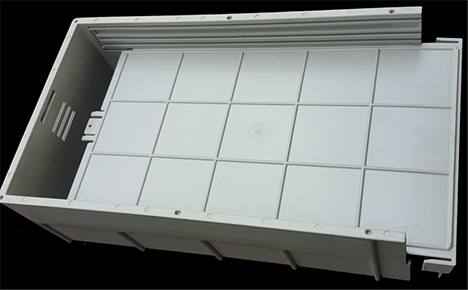
Pharmaceutical trays

Top 10 Best Tips for Professional Cannabis Storage

1. Choose High-Quality, Food-Grade Plastic Trays

Not all plastic is made equal. For cannabis storage, opt for trays constructed from food-grade, BPA-free plastic. These specialized trays safeguard your cannabis from chemical contamination and off-flavors, ensuring safety and freshness every time you store your buds.

2. Ensure Proper Sealing and Airtight Covers

One major advantage of plastic trays is their availability with snap-on or clamshell lids that create an airtight seal. An airtight plastic tray keeps oxygen and excess humidity out, preserving both cannabinoids and terpenes. When shopping, prioritize trays that fit securely to keep your cannabis stash in prime condition.

3. Organize and Separate Strains With Multi-Compartment Trays

Plastic trays often feature multiple compartments—perfect for organizing different cannabis strains, pre-rolls, or edibles without flavor cross-contamination. This efficient separation helps you track supply and rotate through your collection while maintaining maximum freshness for each product.

Even with robust plastic storage, environmental factors matter. Place your plastic trays in a temperature-stable, dark, and dry environment—like a cabinet or closet—far from direct sunlight, heaters, or appliances. This prevents terpene loss and keeps your buds potent for longer.

5. Avoid Overcrowding Cannabis Trays for proper Cannabis Growth

Plastic trays come in various sizes, but it’s best not to overpack. Crowding buds in any container increases the risk of moisture pockets, mold, and compressed flower. Give each batch of buds enough room to “breathe,” preserving texture and aroma.

6. Maintain Ideal Relative Humidity, Even With Plastic

While plastic trays are less porous than paper or low-grade bags, humidity can still fluctuate. Add a two-way humidity pack to your tray to maintain optimal humidity (55%-63%), which prevents both mold and excessive dryness.

7. Benefit From Lightweight and Shatterproof Portability

Plastic trays are perfect for on-the-go cannabis storage. Their light weight and shatter-resistant design ensure your stash stays intact whether you’re at home or traveling. Unlike glass, you won’t have to worry about breaking or chipping.

8. Prioritize Cleanliness: Wash Trays Regularly

Plastic trays are easy to clean and maintain. Prevent residue buildup and odor retention by washing your trays with mild soap and water between uses. Fully dry them before returning cannabis, as moisture can compromise bud integrity.

9. Keep Cannabis Trays Away From Strong Odors

Plastic can occasionally absorb strong smells, so store your cannabis trays away from pungent foods, cleaning agents, or fragrances. If necessary, dedicate a small storage area solely for cannabis-related items to keep your flavors pure.

10. Make Use of Transparent or Opaque Options for Versatility

Plastic trays are available in see-through and opaque versions. Transparent trays make it easy to monitor your stash; opaque ones offer privacy and protection from excess light. Select based on where and how you plan to use your storage for optimal results.

Why Plastic Trays Are the Modern Choice for Cannabis Storage

  • Affordable and Accessible: Plastic trays are significant cost-savers and available at most smoke shops or online stores.
  • Stackable and Space-Efficient: Save space by stacking trays, perfect for discreet or large-scale storage at home or in dispensaries.
  • Customizable: Many plastic trays are designed for branding or labeling, letting you organize by strain, use-by date, or THC content.

Conclusion: Cannabis storage doesn’t have to be complicated

With high-quality cannabis trays, you gain flexibility, affordability, and protection for your flower. By following these 10 tips, you’ll keep your cannabis fresh, flavorful, and ready to enjoy, whether you’re storing a single strain or an entire collection. Next time you’re considering your storage options, embrace the practical power of plastic trays—the smart, modern way to preserve your cannabis investment.

Optimize your cannabis experience—choose plastic trays for convenient, reliable, and organized storage today!

Learn more about storage options. 

The post Top 10 Tips For Proper Cannabis Storage and Growth appeared first on adiotray.com.

]]>
Life-Changing Benefits of Good Storage for Corporate Cannabis Growth https://mtdtrays.com/storage-for-cannibas-growth/ Thu, 17 Jul 2025 19:49:44 +0000 https://mtdtrays.com/?p=1641 The cannabis industry has rapidly transformed into a professional, highly regulated corporate sector. For licensed cultivators, processors, and distributors, success isn’t just about growing top-quality flower, but also ensuring that every step from seed to sale is managed with precision—including storage. Effective storage solutions don’t just protect assets—they play a critical role in maintaining product quality, maximizing yield, ensuring compliance, and supporting long-term profitability.

The post Life-Changing Benefits of Good Storage for Corporate Cannabis Growth appeared first on adiotray.com.

]]>

The Benefits of Good Storage for Corporate Cannabis Growth

The cannabis industry has rapidly transformed into a professional, highly regulated corporate sector. For licensed cultivators, processors, and distributors, success isn’t just about growing top-quality flower, but also ensuring that every step from seed to sale is managed with precision—including storage. Effective storage solutions don’t just protect assets—they play a critical role in maintaining product quality, maximizing yield, ensuring compliance, and supporting long-term profitability.

Why Is Storage So Important for Corporate Cannabis Growth?

High-quality cannabis is a perishable, highly regulated product. Even slight exposure to environmental threats—such as air, humidity, temperature fluctuations, or light—can degrade cannabinoids and terpenes, leading to diminished potency, flavor, and aroma. For corporate operations dealing with larger volumes and stricter regulations, the stakes are even higher:

  • Potential revenue loss due to spoiled inventory

  • Non-compliance with strict state and federal laws

  • Brand reputation at risk from inferior or contaminated products

Creating and maintaining optimal storage conditions is, therefore, a business-critical function.

1. Maximizing Product Quality: Preserving Potency, Flavor, and Aroma

Potency Preservation

Exposure to heat, light, and air degrades cannabinoids such as THC and CBD, as well as terpenes—the essential oils responsible for aroma and therapeutic value. Degraded cannabis leads to a weaker, sometimes unpleasant, user experience, directly affecting customer satisfaction and repeat business. Proper storage slows down or prevents this degradation.

Terpene and Flavor Retention

Terpenes are responsible for the unique aroma and flavor profiles of each strain. Improper storage allows these volatile compounds to evaporate or break down, resulting in bland, ineffective products. Using airtight, glass, or food-grade containers is essential for terpene retention, keeping harvests as fresh and distinctive as possible.

Humidity and Mold Protection

Cannabis stored in high humidity is susceptible to mold, mildew, and bacterial contamination—which can prove disastrous for business owners and dangerous for consumers. Too little humidity, on the other hand, dries out buds, making them harsh and weak. Maintaining humidity at 59-63% with humidity packs or automated systems strikes an optimal balance, preventing both mold growth and excessive dryness

2. Extending Shelf Life of Cannabis Growth & Maintaining Inventory Value

Good storage extends the usable life of cannabis products, helping businesses avoid costly write-offs due to expired or damaged goods.

  • Air-tight containers block oxygen, preventing oxidation and keeping the harvest potent for longer.

  • Cool, dark environments slow down decomposition and inhibit mold and bacterial growth.

  • Lightproof solutions, such as opaque or specialized stash boxes, prevent UV degradation, ensuring products stay fresh until sale.

With extended shelf life, operators can better manage inventory cycles, supply seasonal fluctuations, and resist market price dips.

For corporate cannabis growth and operators, non-compliance can result in heavy penalties or even the loss of operating licenses. Regulations often dictate specifics such as:

  • Secure, lockable storage to prevent unauthorized access

  • Chain-of-custody tracking and inventory control

  • Temperature and humidity documentation

  • Isolation of different product stages or batches

Deploying compliant storage solutions—such as modular racks, lockable cages, and inventory management systems—demonstrates responsible stewardship and meets inspector expectations.

4. Operational Efficiency & Scalability

Growth-minded companies need storage systems that keep pace with operational expansion:

  • High-density shelving and mobile racking maximize space, enabling larger harvests and more efficient workflows.

  • Portable and modular containers allow businesses to dynamically scale, add or reconfigure storage without downtime or costly construction.

  • Overhead storage and purpose-built rooms keep sensitive inventory away from ground-level risks (e.g., water, pests) and free up premium floor space.

Well-planned storage means fewer bottlenecks, easier harvest-to-processing transitions, and streamlined operations as businesses scale.

5. Protecting Company Reputation and Brand Value

The premium cannabis market is increasingly competitive, with customers demanding consistency, quality, and transparency. Neglecting storage undermines even the best cultivation practices:

  • Loss of weight and quality through evaporation or spoilage directly impacts branding and consumer trust.

  • Odor leakage can affect local relations and even compliance with odor regulations.

  • Contaminated or degraded product is more likely to draw recalls, negative reviews, or even litigation.

In contrast, brands that consistently deliver fresh, potent, aromatic cannabis—ensured by meticulous storage—gain loyal customers and a reputation for excellence.

6. Sustainability and Cost Efficiency

Modern storage solutions and pharmaceutical trays can support sustainability initiatives:

  • Eco-friendly packaging and containers (e.g., glass jars, recyclable plastics) reduce environmental impact.

  • Efficient layout and climate controls lower energy use and operational costs over time.

  • Reduction in product loss translates to improved margins, less waste, and a more resilient business.

Investing in advanced storage is not just a “cost”—it’s a profit-protecting and brand-building strategy.

Conclusion: Good Storage Is Good Business

For leaders in the corporate cannabis industry, storage isn’t an afterthought—it’s a pillar of long-term success. Implementing sophisticated, scalable, and regulatory-compliant storage solutions elevates product quality, supports operational growth, protects company assets, and enhances brand reputation. As the market matures and consumer and compliance standards tighten, investing in excellent storage isn’t just prudent—it’s indispensable for growth-focused businesses aiming to set the industry standard.

By prioritizing proper cannabis trays, companies transform a simple logistical function into a strategic advantage—protecting today’s harvest and tomorrow’s reputation. Contact us for storage options.

The post Life-Changing Benefits of Good Storage for Corporate Cannabis Growth appeared first on adiotray.com.

]]>
The Importance of Autoclavable Injection Molded Trays in Sterile Environments https://mtdtrays.com/the-importance-of-autoclavable-injection-molded-trays-in-sterile-environments/ Wed, 09 Jul 2025 19:26:05 +0000 https://mtdtrays.com/?p=1578 In industries where cleanliness and sterilization are paramount—like healthcare, pharmaceutical, biotech, and laboratory sciences—the tools and systems used to support sterilization play a crucial role in operational success. One such vital component is the autoclavable injection molded tray. These trays are more than just storage or transport solutions—they are foundational to maintaining compliance, safety, and efficiency in sterile environments.

The post The Importance of Autoclavable Injection Molded Trays in Sterile Environments appeared first on adiotray.com.

]]>
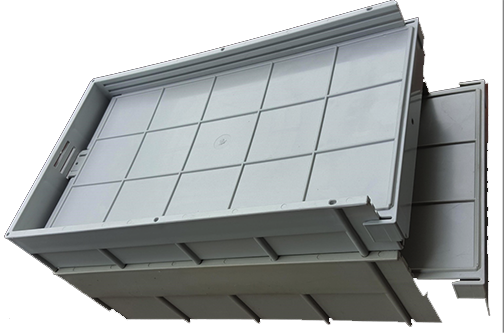
Autoclavable Injection Molded trays

The Eye-opening Importance of Autoclavable Injection Molded Trays in Sterile Environments

In industries where cleanliness and sterilization are paramount—like healthcare, pharmaceutical, biotech, and laboratory sciences—the tools and systems used to support sterilization play a crucial role in operational success. One such vital component is the autoclavable injection molded tray. These trays are more than just storage or transport solutions—they are foundational to maintaining compliance, safety, and efficiency in sterile environments.

In this blog, we’ll explore why autoclavable injection molded trays are essential, what benefits they bring to medical and scientific applications, and why choosing a trusted manufacturer like MTD Trays ensures reliability, performance, and long-term value.

Autoclavable injection molded trays are specially designed plastic trays manufactured through a precise injection molding process using high-performance polymers. These trays are engineered to withstand repeated sterilization in autoclaves—devices that use high-pressure saturated steam at high temperatures (typically around 121°C to 134°C) to sterilize equipment and supplies.

The term “autoclavable” indicates that the tray can endure the heat, pressure, and moisture of an autoclave cycle without deforming, cracking, or leaching chemicals. The injection molding process ensures a uniform and repeatable structure that meets tight specifications, essential for sterile and regulated environments.

1. Support Consistent Sterility

One of the primary reasons autoclavable trays are important is their direct role in ensuring and maintaining sterility. Whether used to organize surgical tools, transport lab vials, or support sensitive instrumentation, these trays undergo the same sterilization process as the contents they carry. This helps eliminate the risk of contamination at critical stages.

Without autoclavable trays, facilities would need to rely on non-sterile containers, which increases the risk of pathogen transfer, compromises experimental results, or—worse—endangers patient safety.

2. Enhance Workflow Efficiency

Trays that are durable enough to be repeatedly sterilized save both time and resources. Autoclavable trays help organize instruments or components in a standardized format, making storage, retrieval, and setup more efficient. They also minimize the need for staff to repack or reorder items after each sterilization cycle.

Facilities that use MTD’s autoclavable trays often report improved operational efficiency, reduced downtime, and lower labor costs—all thanks to consistent tray design and reliability.

3. Ensure Regulatory Compliance

Regulated industries such as healthcare, pharmaceutical production, and life sciences are bound by strict sterilization and documentation requirements from agencies like the FDA, CDC, or ISO. Using validated, high-performance autoclavable trays is a critical step in passing audits, maintaining accreditation, and ensuring product and patient safety.

At MTD Trays, we engineer our trays with materials like polypropylene, polycarbonate, or other high-performance resins that meet or exceed regulatory sterilization standards.

Injection molding is a preferred manufacturing method for producing trays that are dimensionally accurate, durable, and scalable. Compared to other methods such as thermoforming or metal stamping, injection molded trays offer distinct advantages:

1. Precision and Repeatability

Injection molding creates highly repeatable trays with tight tolerances. This is essential for applications like vial storage, surgical kits, or autoclave-compatible instrument trays, where exact dimensions prevent shifting or damage during sterilization.

2. Superior Material Strength

Autoclavable injection molded trays are made from resins specifically chosen for their strength, rigidity, and high thermal tolerance. Unlike some thermoformed or fabricated options, they don’t warp, crack, or degrade over time.

3. Customizable Designs

Companies like MTD Trays offer fully customizable options—from the size, depth, and compartment layout to labeling and color coding. Custom injection molding allows each tray to be purpose-built for specific use cases, improving organization and workflow.

4. Cost-Effective for Long-Term Use

Although the upfront cost of creating injection mold tooling can be higher, the long-term ROI is undeniable. Injection molded trays can withstand hundreds of autoclave cycles, making them far more economical and environmentally sustainable than disposable or lower-grade options.

Medical and Surgical Fields

Hospitals, ambulatory surgical centers, and outpatient facilities use autoclavable trays to sterilize and organize tools between procedures. Trays can be configured to hold surgical instruments, scopes, implants, or tubing.

Pharmaceutical Manufacturing

In GMP-compliant environments, cleanroom trays support vial handling, vaccine production, and batch testing. Consistent sterility and tray uniformity are essential for tracking, quality control, and minimizing cross-contamination.

Biotech and Laboratory Research

From microbiology labs to genome sequencing, researchers rely on trays to store and autoclave glassware, pipettes, and test samples. Injection molded trays support modular lab setups and can be customized to fit incubators, refrigerators, or robotic systems.

Veterinary and Dental Practices

Just like hospitals, dental and veterinary clinics must sterilize tools between patients. Compact, durable autoclavable trays provide a safe, convenient way to handle instruments efficiently.

When it comes to sourcing autoclavable injection molded trays, choosing the right manufacturer is as critical as selecting the tray itself. At MTD Trays, we combine decades of experience in plastics engineering with deep expertise in sterile applications.

✅ High-Temperature-Resistant Materials

We use only validated polymers such as polypropylene (PP), polycarbonate (PC), and other engineered resins that maintain their structure and strength through repeated autoclave cycles.

✅ Custom Molding Capabilities

Whether you need standard trays or a custom-designed mold for your specific application, MTD Trays offers full-service design, prototyping, and production—with fast turnaround times and responsive customer support.

✅ FDA-Grade and ISO-Compliant Solutions

Our products meet the strictest industry standards for material safety, performance, and compliance. We also offer documentation and validation support upon request.

✅ Made in the USA

All of our trays are proudly manufactured in the United States, ensuring high quality control, shorter lead times, and responsive service.

Autoclavable injection molded trays are essential to any sterile environment, offering unmatched performance in durability, consistency, and regulatory compliance. Whether you’re operating a hospital, cleanroom, lab, or pharmaceutical facility, choosing the right tray system can have a measurable impact on safety, efficiency, and long-term operational success.

MTD Trays is proud to offer the industry’s most reliable and customizable autoclavable tray solutions. From off-the-shelf designs to precision custom builds, we help our customers create smarter, safer workflows—one tray at a time.

Looking for a custom autoclavable tray for your application?
Visit MTDTrays.com to explore our product line or contact our team for a custom quote. Let’s build a cleaner, safer future—together.

The post The Importance of Autoclavable Injection Molded Trays in Sterile Environments appeared first on adiotray.com.

]]>